
Charity Transparency
You gave to help an animal. Your money should reach the animal.
Animal charity giving often asks donors to trust public numbers they never have time to read.
A donor sees a thin puppy after surgery, a cat carried from a hoarding case, or a senior horse who finally has shelter. They give because that animal should get food, medicine, transport, and safe care — not because they wanted to decode an accounting return.
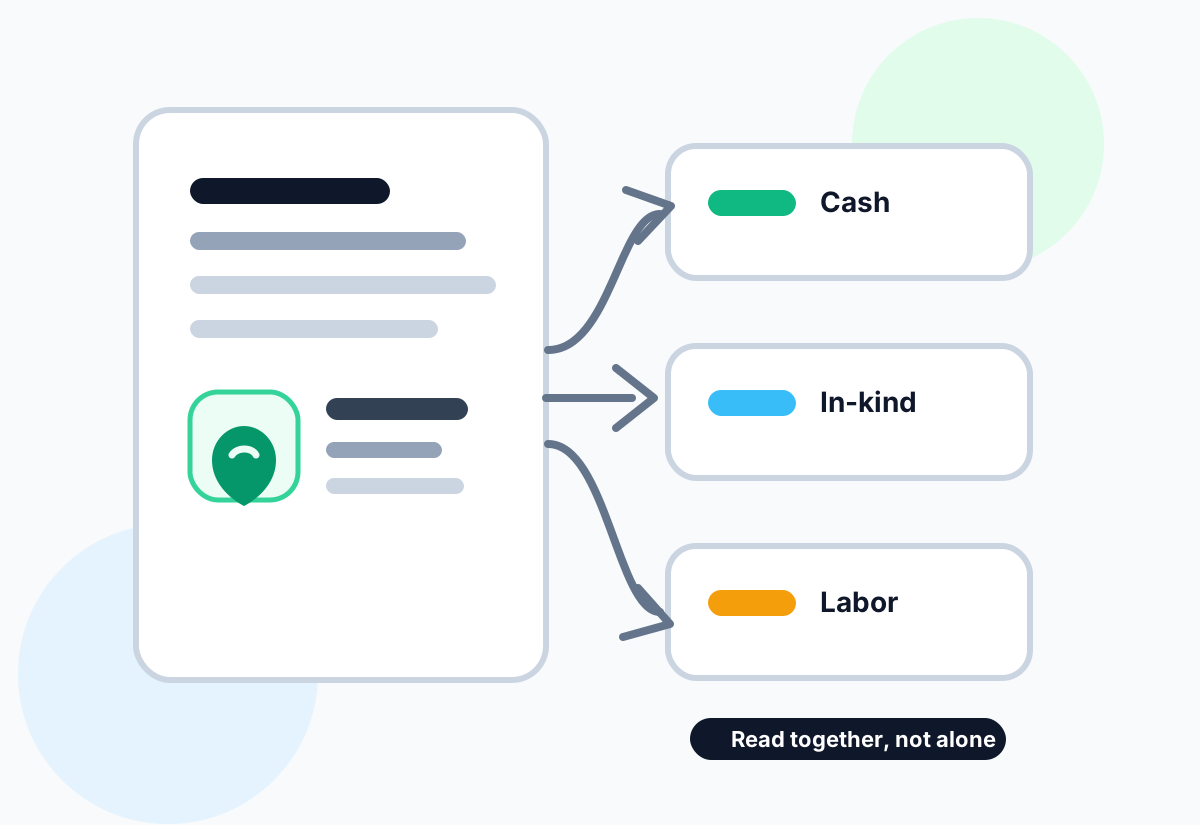
Most animal charities work hard to honor that trust. The difficulty is that public stewardship signals are scattered across Form 990 lines, schedules, cash and in-kind support, fundraising costs, labor, reserves, and governance notes. Charity Transparency brings those signals into one careful place before the next gift is made.
Source: IRS, Annual electronic filing requirement for small exempt organizations — Form 990-N (e-Postcard); Last checked June 2026.

Public filings are the starting line
$50,000+
is the point beyond very small filing status: the IRS says tax-exempt organizations with annual gross receipts normally $50,000 or less use Form 990-N, while larger organizations generally move into fuller Form 990-series reporting.
Source: IRS, Annual electronic filing requirement for small exempt organizations — Form 990-N (e-Postcard); Last checked June 2026.
Animal Souls Beacon position
Animal Souls Beacon reads public financial filings so donors can see stewardship signals in context. We do not call an organization guilty from a ratio, treat every salary as waste, or pretend financial transparency answers every impact question; profiles and cautions stay source-bound.
Interest
Why you can't see where it goes
The problem is not that every answer is secret. It is that the usable answer is split across lines, schedules, and definitions most donors never see before they click give.
The animal is in the appeal, not the filing
You meet the dog, cat, horse, or wildlife patient first. The public record that shows cash support, in-kind gifts, salaries, fundraising, and reserves sits somewhere else.
One clean ratio can hide the story
A strong program percentage can still need context if noncash gifts, heavy fundraising, thin reserves, or missing governance detail are doing the real work behind the headline.
Care work can look like overhead
Veterinary staff, transport coordinators, shelter teams, and foster support may be mission labor. Without context, you can punish the work you hoped your gift would fund.

Desire
Your gift is the lever
When you slow down before giving, your support becomes a signal for animal charities that make stewardship clear instead of relying only on urgency.
You can ask one better question
Instead of stopping at “how much goes to programs,” ask what cash actually supports, how fundraising is paid for, and who is accountable for the money.
You can reward clarity before urgency
A rescue story can move you and still deserve a second look. Public reporting helps your compassion reach the animal instead of disappearing into a vague promise.
You can compare in context
Sanctuaries, medical-care providers, transport groups, and grantmakers do not all spend the same way. Your leverage improves when similar work is compared fairly.
Action
Take charity transparency action.
You don't have to audit every filing to make your next gift more careful. Start with the level of detail that matches the decision in front of you.
Charity Directory
Search published animal-welfare charity profiles and read source-bound stewardship context before you give.
Compare
Line up organizations side by side so cash, in-kind support, labor, confidence, and cautions stay visible together.
Methodology
Read the scoring weights, coverage states, confidence logic, and guardrails behind the public charity profiles.
Financial transparency first
This section's launch frame is financial transparency, not a complete impact evaluation. A strong score here does not mean every program outcome question is settled.
Read methodology