
Overview
Medical Care & Nutrition
Most animals don't suffer because someone meant harm. They suffer because help came late.
A cat stops eating a little. A dog slows down on walks. A rabbit's weight drops so gradually no one notices. None of it looks like an emergency — until it is. Most everyday animal suffering isn't caused by cruelty. It comes from ordinary gaps: a nutrition mistake no one caught, a routine visit that kept getting postponed, a cost or a distance that put care just out of reach.
Almost all of it is easier to prevent than to fix, and the difference is usually information — knowing what to watch for, what to ask, and when everyday care has quietly become a veterinary question. That's what this section is for.
Source: AVMA, U.S. pet ownership statistics; Last checked June 2026.
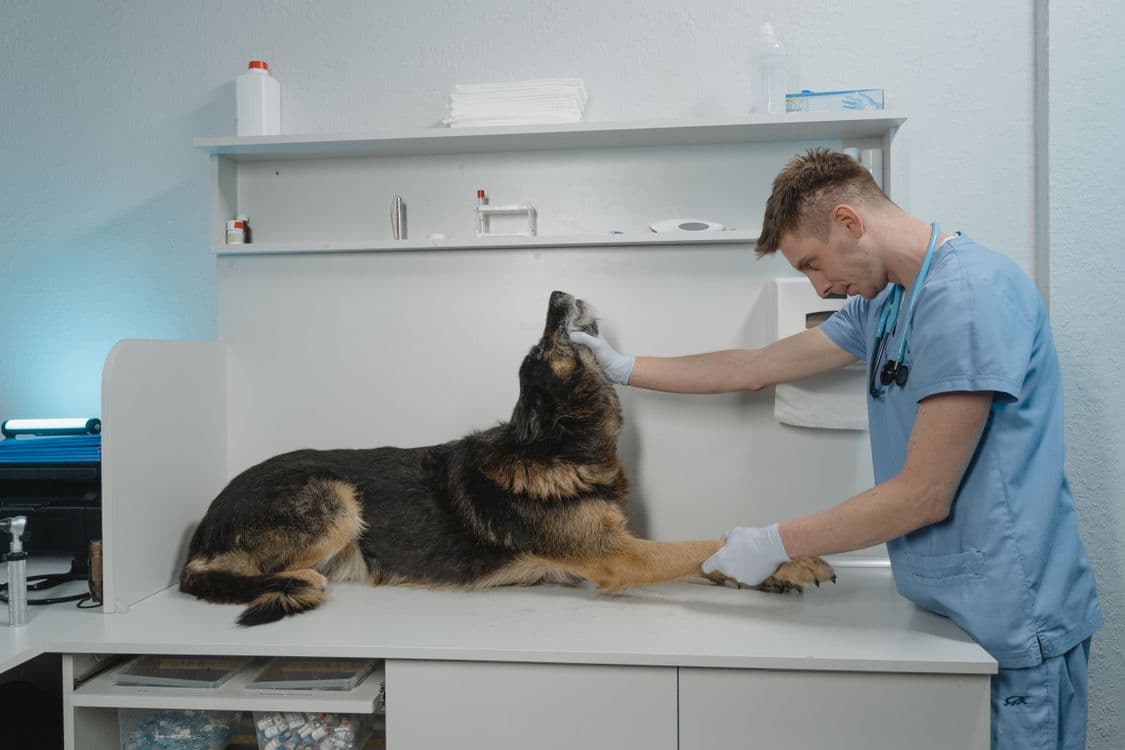
Care starts at household scale
163.6M
dogs and cats live in U.S. households (87.3 million dogs and 76.3 million cats), so ordinary feeding, prevention, and early-care decisions add up to one of the largest animal-welfare surfaces people touch.
Source: AVMA, U.S. pet ownership statistics; Last checked June 2026.
Animal Souls Beacon position
Animal Souls Beacon helps caretakers recognize problems sooner and prepare for better veterinary conversations. It does not diagnose, prescribe, or replace a veterinarian.

Interest
Why you can't see it
Late care often isn't one bad decision. It is a quiet chain of missed signals, practical barriers, and advice that arrives without the animal in front of it.
Small changes look ordinary
You may see a dog slowing down, a cat missing meals, or a rabbit losing weight and hope it is temporary. The problem can become serious before it looks dramatic.
Care barriers hide good intentions
Cost, distance, scheduling, language, and transport can make a needed appointment feel just out of reach even when the caretaker wants to act.
Bad advice travels without records
A confident tip online can drown out the details a veterinarian needs: weight, appetite, water, stool, breathing, medication, and when the change started.
Desire
Your observation is the lever
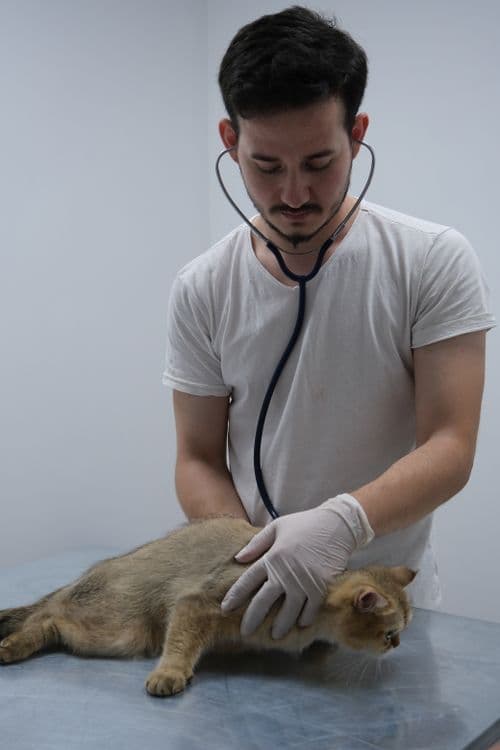
Your leverage is not diagnosing the problem. It is noticing sooner, preserving the details, and bringing the right question to the right professional.
You can write down the change
A date, appetite note, weight trend, or short video turns worry into information a veterinarian can actually use.
You can ask sooner
You do not have to know the diagnosis to call, schedule, or ask which signs mean urgent care. The earlier question can prevent the harder visit.
You can help the next animal
Sharing plain, source-backed guidance with a foster, adopter, neighbor, or shelter volunteer helps concern become action before crisis.
Action
Take medical care action
You don't have to solve every care barrier to be part of changing it. Start with the guide or resource that helps the next question reach care sooner.
Animal Nutrition Guide
Species-aware feeding priorities, common mistakes, label-reading basics, and when a nutrition question belongs in a veterinary conversation.
Routine Medical Care & Immunization
A prevention-first guide that separates legal requirements, core recommendations, and risk-based decisions across species and care settings.
Care Updates, Safety Alerts & Research
Curated recalls, outbreak notices, seasonal warnings, access developments, and plain-language research summaries that are dated and source-aware.
Questions to ask a veterinarian
A practical appointment-prep resource for symptoms, diet changes, medications, diagnostics, and the next questions that matter most.
Safety guardrail
Educational, not diagnostic
Use this section to notice changes sooner, prepare questions, and support better veterinary conversations. It does not diagnose individual animals online, prescribe treatment, or replace direct veterinary care.
- It will not publish individualized treatment plans or dosage guidance.
- It will not turn care questions into product promotion or sensationalized medical content.
- It will not pretend that shelters, rescues, fosters, and sanctuaries are outside the same everyday care realities.
New symptoms, breathing changes, collapse, seizures, severe dehydration, sudden inability to eat or urinate → direct veterinary/emergency care.