
Sanctuaries
The rescue is the part everyone sees. The next twenty years are the part that's hard.
Animals retired, surrendered, seized, or rescued from exploitative settings often need stable habitat, veterinary support, staffing, and continuity for the rest of their lives.
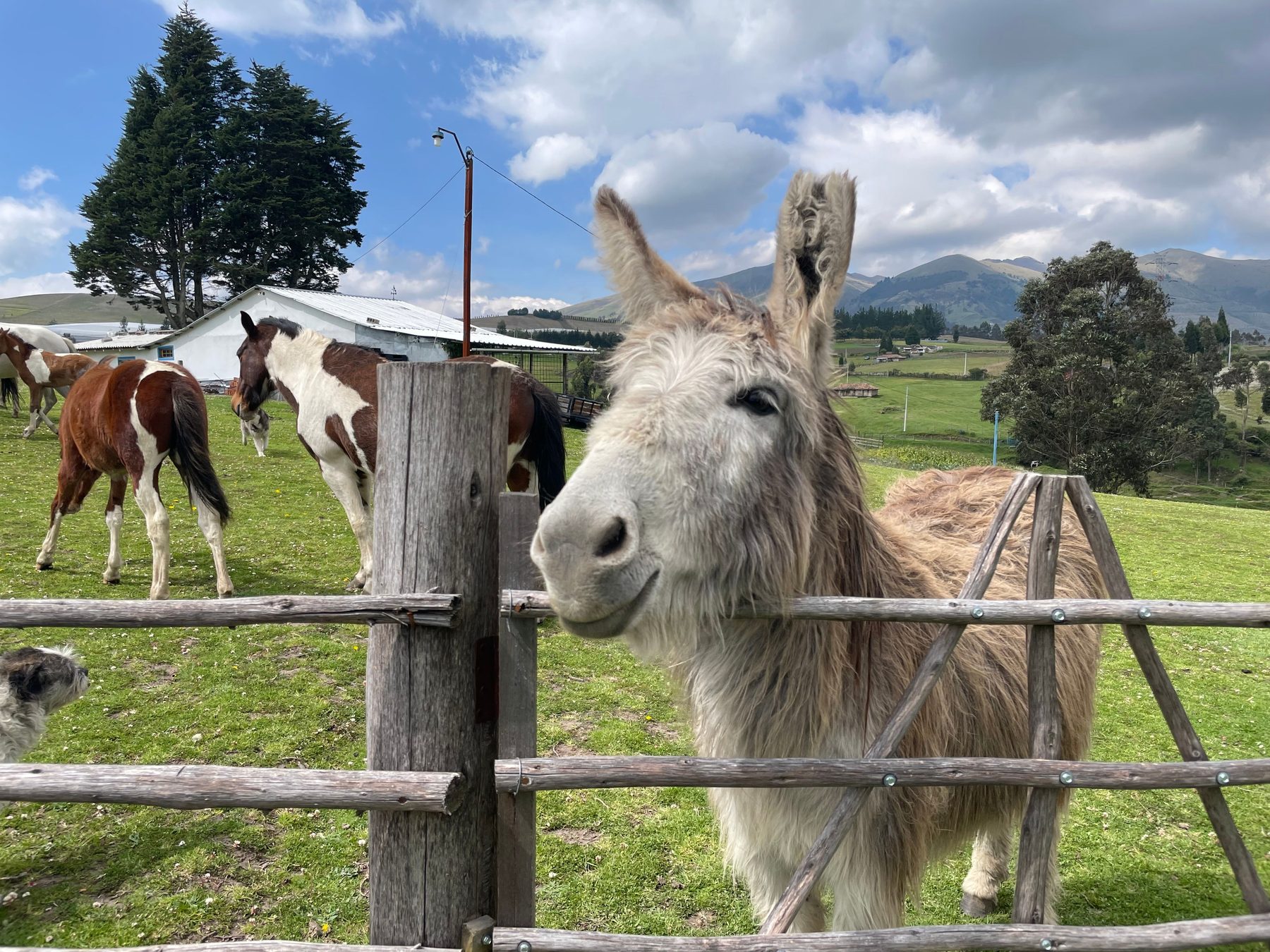
A tiger leaves a roadside cage with nowhere wild to return to. A chimpanzee comes out of a research setting without an ordinary home waiting. A donkey, horse, sheep, or hen may arrive through surrender, seizure, retirement, or rescue — alive, safe for the moment, and still needing a place that can last.
The photo of the rescue travels fast. What follows rarely does: years, sometimes decades, of food, veterinary care, habitat, staffing, and planning after the attention has moved on. That long, unglamorous commitment is the real measure of a sanctuary and the part most at risk of falling short.
Source: Los Angeles Zoo, Chimpanzee fact sheet; Last checked June 2026.
Lifetime care is measured in decades
50–60 years
is the lifespan many chimpanzees can reach in human care, which is why sanctuary planning has to be measured in decades after rescue.
Source: Los Angeles Zoo, Chimpanzee fact sheet; Last checked June 2026.
Animal Souls Beacon position
Animal Souls Beacon judges a sanctuary by what it does, not what it calls itself: lifetime care, no breeding, buying, selling, or trading, and no public contact. Everything here is built on source-backed facts, not rescue-story marketing.

Interest
Why you can't see it
The rescue is visible because it has a beginning. Sanctuary care is harder to see because it is built from ordinary days, operating standards, and pressure that may not show up in a single photograph.
The animal cannot simply move on
A retired elephant, released chimpanzee, seized tiger, or surrendered flock may need protected space, veterinary support, species-appropriate routines, and continuity for life — not a short rescue hold.
The label is not the standard
“Sanctuary” only means something when it is backed by lifetime care, no breeding, no buying, selling, or trading, and no public contact. This page uses that working line, with reference points from GFAS, the American Sanctuary Association, and The Open Sanctuary Project.
The pressure builds after intake
Funding fragility, limited placement capacity, pseudo-sanctuary competition, uneven rules, disaster planning, relocation, succession, and aging-animal care all test whether refuge can last after attention fades.
Desire
Your support is the lever
Responsible support makes lifetime care possible when it rewards verified standards instead of the fastest rescue story.
You can verify before you share or give
Look for source-backed facts about accreditation, public-contact policy, species focus, published opportunities, and last-verified status before an emotional rescue story becomes your reason to donate or repost.
You can fund the unglamorous years
Food, staff time, veterinary care, fencing, heating, shade, transport, and aging-animal care rarely make the viral photo. Responsible support keeps those ordinary needs stable.
You can keep the standard visible
Point people back to records and care standards instead of accusations. The strongest public pressure is calm, specific, and clear about the difference between sanctuary care and encounter-based marketing.
Action
Take sanctuary action
You don’t have to solve placement pressure or lifetime care alone to be part of changing it. Start with the page that turns concern into a source-backed next step.
Sanctuary directory
Browse verified sanctuary records by state, species category, accreditation, contact policy, and published volunteer or internship availability.
Policy & Legislation
See the federal and state legal framework affecting sanctuary care, placement pressure, public contact, and related oversight.
Rating Methodology
Read how sanctuary policy ratings handle source quality, scoring dimensions, publication status, and evidence boundaries.
Get involved
Follow verification-first guidance for support, volunteering, interning, and issue-level care-standard references inside the sanctuary section.
Verification note
Sanctuary facts come from source-backed operational data, and unverifiable fields are withheld rather than guessed.